Discovery of remarkable grave goods in China
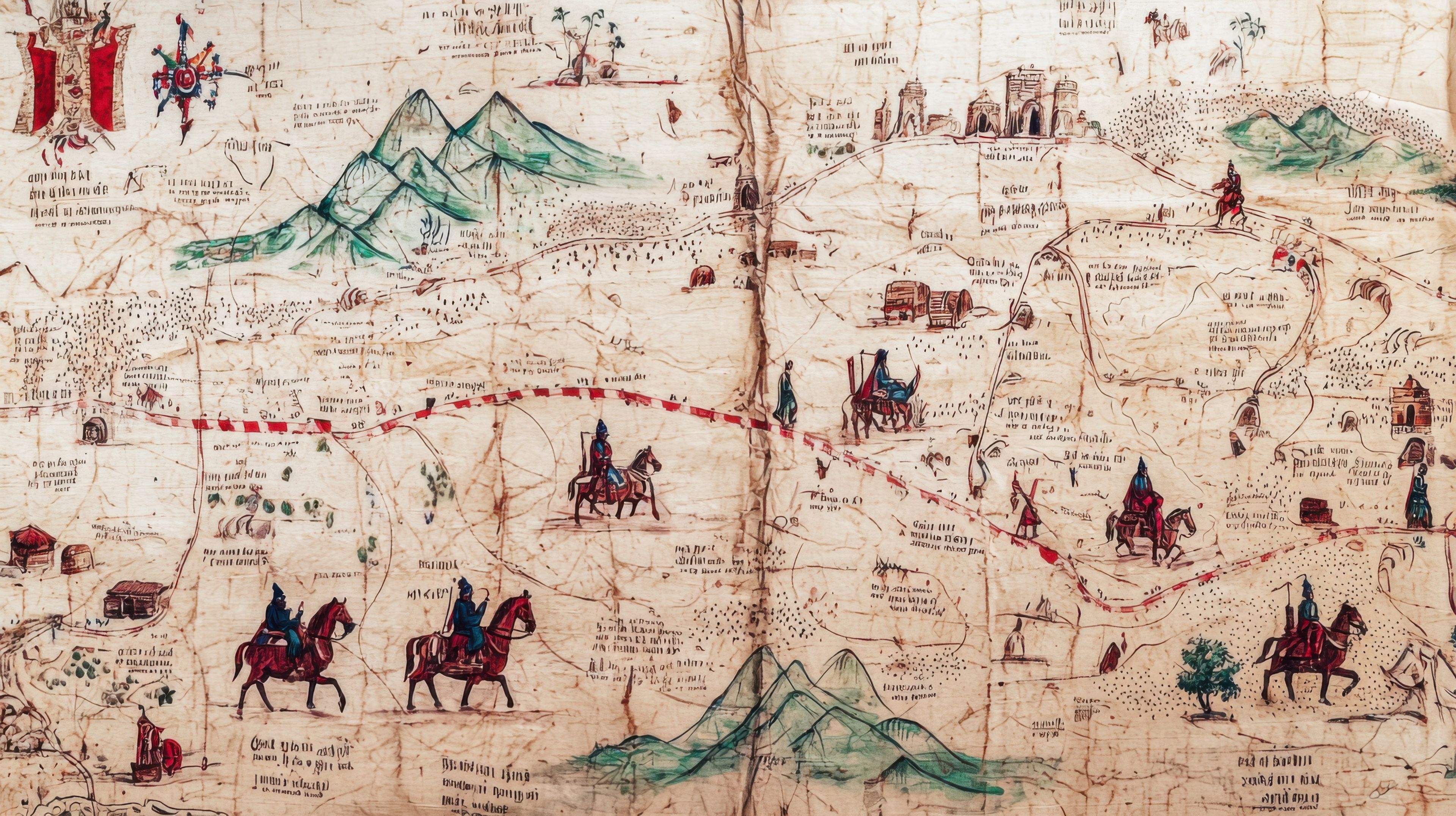
Archaeologists in Xi’an (the modern name for ancient Chang ‘an) in the Shaanxi Province of China have just published details of a superbly preserved 7th century tomb, which was first uncovered in excavations between 2022-2024.
Dating to AD 698, the sumptuous grave goods provide important detail of the lives of the Chinese elites whose most prized items underscore the close links between China and Persia in the Tang Dynasty resulting from the Silk Road.
The tomb, dating to AD 698, belonged to a young elite woman Ma Sanniang who was married to Dong Shunxian, an officer in the imperial left guard. The single chamber tomb is the most intact example found in the cemetery of the Dongs, a family with very close ties to the imperial family, the House of Li.
The precious items discovered are important for their exquisite craftsmanship, as well as for the glimpse they afford us into the cosmopolitan life in Chang’an, the city which was at the heart of China as far back as the Han dynasty of the 3rd century BCE and one which was the main, eastern terminus of the Silk Road. Among the artefacts, archaeologists found pottery, scissors and a beautiful bronze, octagonal mirror. Of particular note are several golden hair accessories which bear all the hallmarks of the Tang era workmanship, a period known for its refined goldsmithing. These items include a double pronged hairpin, which was designed to tame the elaborate hairstyles prized by Tang elite women, and which is decorated with a filigree floral head forged by miniscule lace-like patterns, and granulation, the soldering of thousands of tiny gold beads, ornamentations first developed in the Mediterranean (Etruscans were famed for their smithing) and Middle East in the 3rd millennium BCE. Even more interesting is a comb back, which consists of a gold sheath which once covered a comb made of organic material (bone, ivory or wood) which hasn’t survived. What is of particular importance are the comb back’s honeysuckle and grapevine patterns, which arrived in China from Sassanid Persia via the Silk Road.
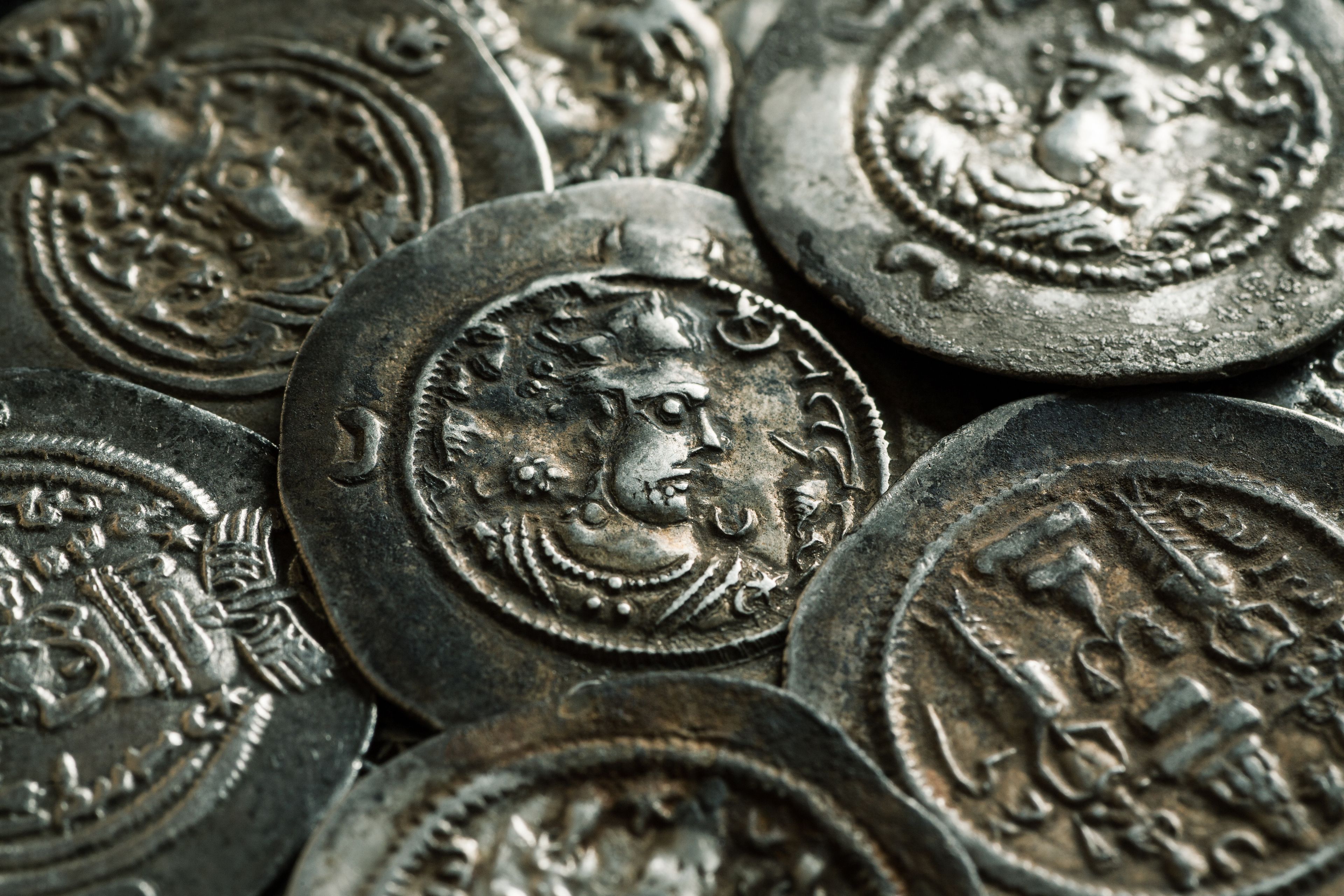
Along with these ornaments, 19 Sassanid silver drachms were discovered in the tomb. Drachms widely served as a common currency on the Silk Road, and this is the largest cache of these important coins found to date. What makes these silver drachms really special is that the tomb dates to the period after the Muslim conquest of Persia and the concomitant fall of the Sassanid empire in AD 651. These coins are therefore relics from a bygone era. How they fell into the hands of Ma Sanniang is anyone’s guess. They could have been given to her husband, Dong Shunxian, for his military service, or could have been traded by wealthy Persian merchants who found refuge in Chang’an. This latter hypothesis might be backed up by unique countermarks found on two of the silver drachms which may have been made by Sogdian merchants (Persian speaking traders from modern Uzbekistan and Tajikistan) in order to verify the purity of the coins’ silver content. The long journey taken by these coins to Chang’an provides tantalizing evidence of the Silk Road as a cultural conduit, which not only brought foreign currency but introduced Mediterranean and Middle Eastern goldsmithing techniques via Persian and the Sogdian merchants who found their homes in the vibrant city of Chang’an.